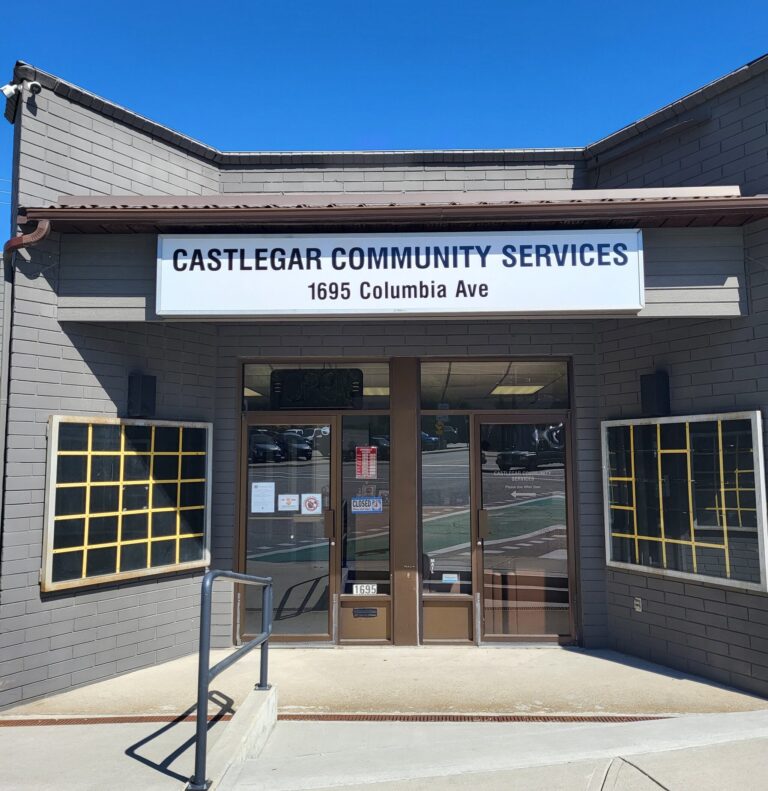

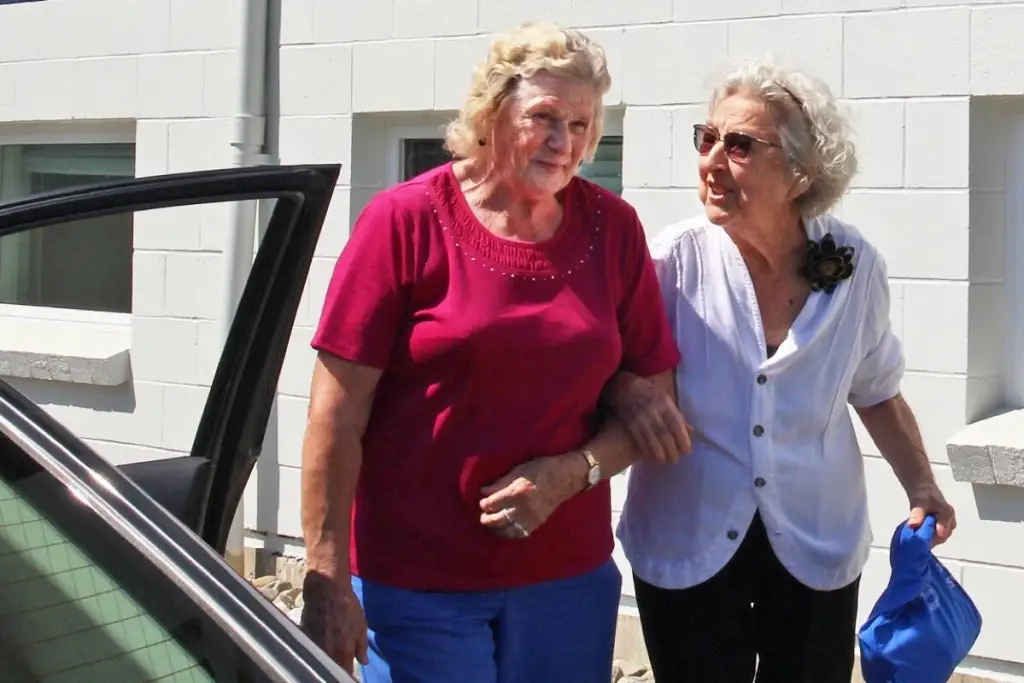
Transportation to medical appointments is a growing need in the West Kootenay and Castlegar Community Services (CCS) says they can no longer fulfill all of the requests they receive.
The organization has been operating the West Kootenay Volunteer Driver Service for 20 years, providing door-to-door transportation to medical appointments through volunteer drivers.
But the problem isn’t a lack of volunteers – those are abundant, it is a lack of funds.
In a Feb. 2 presentation to Castlegar City Council, CCS’s executive director Reidon Rosi said the program reached the point that it couldn’t service all requests in fall of 2025.
The demand has been growing exponentially and the first service cut was rides for recreational and social purposes, which the organization was providing based on the benefits those activities provide to overall wellness and mental health. Client fee subsidies have also decreased.
In 2023, the service provided 766 rides, the next year demand increased by 50 per cent and 1156 rides were provided. Last year demand increased by another 63 per cent and 1887 rides were given. The program is projecting a demand of 2600 for this year.
“For many clients, this is the only way to access medical appointments across the region,” explained Rosi.
Taxi and shuttle services are too expensive for many people who need to go to other cities for appointments or procedures. A Nelson-to-Trail round trip on a shuttle service costs about $150 while a taxi trip costs $400.
The costs are even higher for trips from Rossland, the Slocan Valley or Nakusp, which are also serviced by the program. The program will also provides long-distance rides to Kelowna and Vernon.
The program does not offer free rides, but offers set rates much lower than commercial options. For example, round trips from Castlegar to Nelson are $56, Castlegar to Trail is $42 and Trail to Nelson is $87.
The volunteer drivers are reimbursed for mileage through the program and are not paid by the clients.
The program is currently funded through a variety of sources including United Way, Interior Health, Columbia Basin Trust ReDi grants, gaming grants and client fees. But most of these sources offer funding one grant at a time, not on an ongoing committed basis.
This leaves the organization with continual uncertainty as to how much funding they will receive year to year.
“The challenge is sustainable, predictable support for an essential service,” said Rosi.
She would like to see a permanent funding model supported by government or health authorities.
“Transportation is a prerequisite for health care …” said Rosi. “Without access to rides, appointments are missed, health outcomes worsen, isolation increases and pressure shifts to emergency services.”
Clients must be 18 years or older, but seniors make up the majority of users.
“This is preventative work, it is so vital when we work with our elderly population,” said Castlegar seniors advocate Sandi McCreight.
“The downstream effects of these seniors not getting those appointments met – it impacts everybody. It impacts the families of these seniors, it impacts the health systems … Most importantly, it affects the seniors because when they are receiving these medical appointments and things are going smoothly and consistently, it keeps them out of the systems and in their homes longer and that is the best solution for everybody.”
The problem is not unique to the Castlegar-based service, other driver services across the region are in the same predicament. This has prompted the organization of a region-wide committee that is exploring options for the individual services to work together coordinating services, sharing data and potentially improving efficiency.
While Castlegar council was not in a position to offer ongoing funding, they did offer to write a letter of support for the program.
Mayor Maria McFaddin, who sits on the West Kootenay Transit Committee, said she thought council should advocate for Interior Health to provide stable funding for medical transportation services.
“It’s fine and dandy they want to consolidate rural health care into centralized locations, but then you need to fund the way for people to get to that centralized health care,” said McFaddin.
She acknowledged that rural public transit was not getting the job done.
“Transit is so expensive for what you are getting for it,” said McFaddin. “It is an insane amount that [public] transit is costing rural [areas] – there has got to be a better way.”
She said the transit committee is exploring options of combining regular transit with on-demand transit, which could potentially be part of the solution to meeting the growing need for medical transportation.